Background: A Diplomatic Gesture Amid Rising Ties
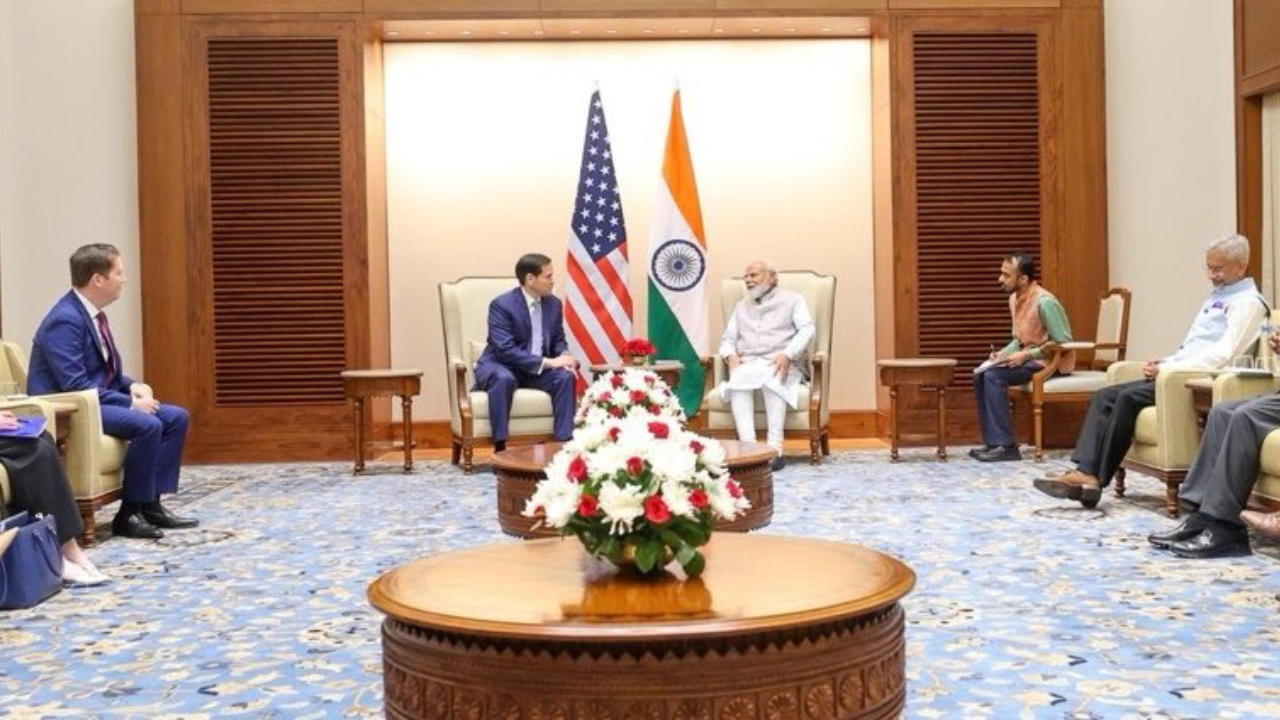
On Saturday, May 23, 2026, U.S. Senator Marco Rubio announced that President Donald J. Trump has extended a personal invitation to Indian Prime Minister Narendra Modi to visit the White House. The invitation comes at a time when Indo‑U.S. ties are deepening across trade, defense, and strategic fronts, and it underscores the personal rapport that the two leaders claim to share.
Why the Invitation Matters
While state visits are routine in international diplomacy, an invitation delivered directly by a senior Republican senator adds a layer of political nuance. Rubio, known for his hawkish stance on China and strong support for the Indo‑Pacific strategy, framed the invitation as both a personal and a geopolitical gesture.
- Strategic Alignment: The U.S. seeks a reliable partner in the Indo‑Pacific to counterbalance China’s growing influence.
- Economic Cooperation: Ongoing negotiations on a comprehensive trade agreement could be accelerated by a high‑profile meeting.
- Defense Collaboration: Recent joint naval exercises and defense sales highlight a deepening security partnership.
- People‑to‑People Ties: The Indian diaspora in the United States, now over 4 million strong, looks to such visits as symbols of mutual respect.
- Political Signaling: By involving a Republican senator, the invitation signals bipartisan support for a robust U.S.–India relationship.
Rubio’s Statement: Emphasizing Personal Relations
During a press briefing in Washington, Senator Rubio said, “They share a personal relation,” referring to the bond between President Trump and Prime Minister Modi. He added that the invitation is “a testament to the friendship that has grown between our two nations over the past few years.” The senator also highlighted Modi’s recent visits to the United States, noting that each encounter has paved the way for deeper collaboration.
“India is not just a strategic partner; it is a friend of the United States. This invitation reflects that sentiment and the personal respect that President Trump holds for Prime Minister Modi,” – Senator Marco Rubio
Reactions from Both Capitals
In New Delhi, the Ministry of External Affairs issued a brief statement acknowledging the invitation and confirming that the Indian government will consider suitable dates for the visit. Sources close to the Prime Minister’s Office indicated that Modi’s schedule is packed with domestic elections and key policy roll‑outs, but the invitation is being treated with high priority.
Back in Washington, the White House press secretary confirmed that the invitation is “formal and sincere,” and that the administration is eager to discuss issues ranging from technology transfer to climate cooperation.
Context: Recent Developments in U.S.–India Relations
To understand the significance of this invitation, it helps to review the key milestones that have defined the bilateral relationship over the past two years:
- 2024 Quad Summit: Both nations reinforced their commitment to a free and open Indo‑Pacific.
- 2025 Trade Talks: Negotiations for a U.S.–India Trade and Investment Framework Agreement (TIFA) reached an advanced stage.
- Defense Deals: The U.S. approved the sale of advanced F‑16V aircraft to India, marking the first such deal under the new administration.
- Technology Partnerships: Joint initiatives in AI, cybersecurity, and clean energy were announced at the 2025 Global Innovation Forum.
- People‑to‑People Exchanges: A record number of Indian students enrolled in U.S. universities in 2025, signaling strong cultural ties.
Potential Agenda for the White House Visit
Analysts predict that the agenda will likely focus on four core areas:
- Trade & Investment: Finalizing the TIFA and exploring opportunities in renewable energy.
- Defense & Security: Expanding joint naval patrols and discussing a possible logistics hub in the Indian Ocean.
- Technology & Innovation: Collaboration on semiconductor manufacturing and 5G rollout.
- Climate Change: Joint commitments to reduce carbon emissions ahead of the 2026 UN Climate Summit.
What This Means for the Global Stage
The invitation is more than a diplomatic courtesy; it is a signal to the world that the United States is solidifying its alliance with India as a cornerstone of its Indo‑Pacific strategy. China, observing the deepening ties, has already issued a statement urging both nations to “maintain regional stability and avoid any actions that could heighten tensions.”
For businesses, a high‑profile visit could unlock new avenues for investment, especially in sectors like clean tech, digital infrastructure, and defense manufacturing. For policymakers, it provides a platform to align on global challenges such as supply‑chain resilience and climate action.
Looking Ahead
While a specific date has not yet been announced, sources suggest that the visit could be scheduled for late 2026 or early 2027, coinciding with the U.S. presidential election cycle and India’s own general elections. Regardless of timing, the invitation underscores a mutual desire to elevate the partnership to a “strategic global partnership.”
Source: Times of India
About the Author
