What Makes the Delhi Gymkhana Club So Exclusive?
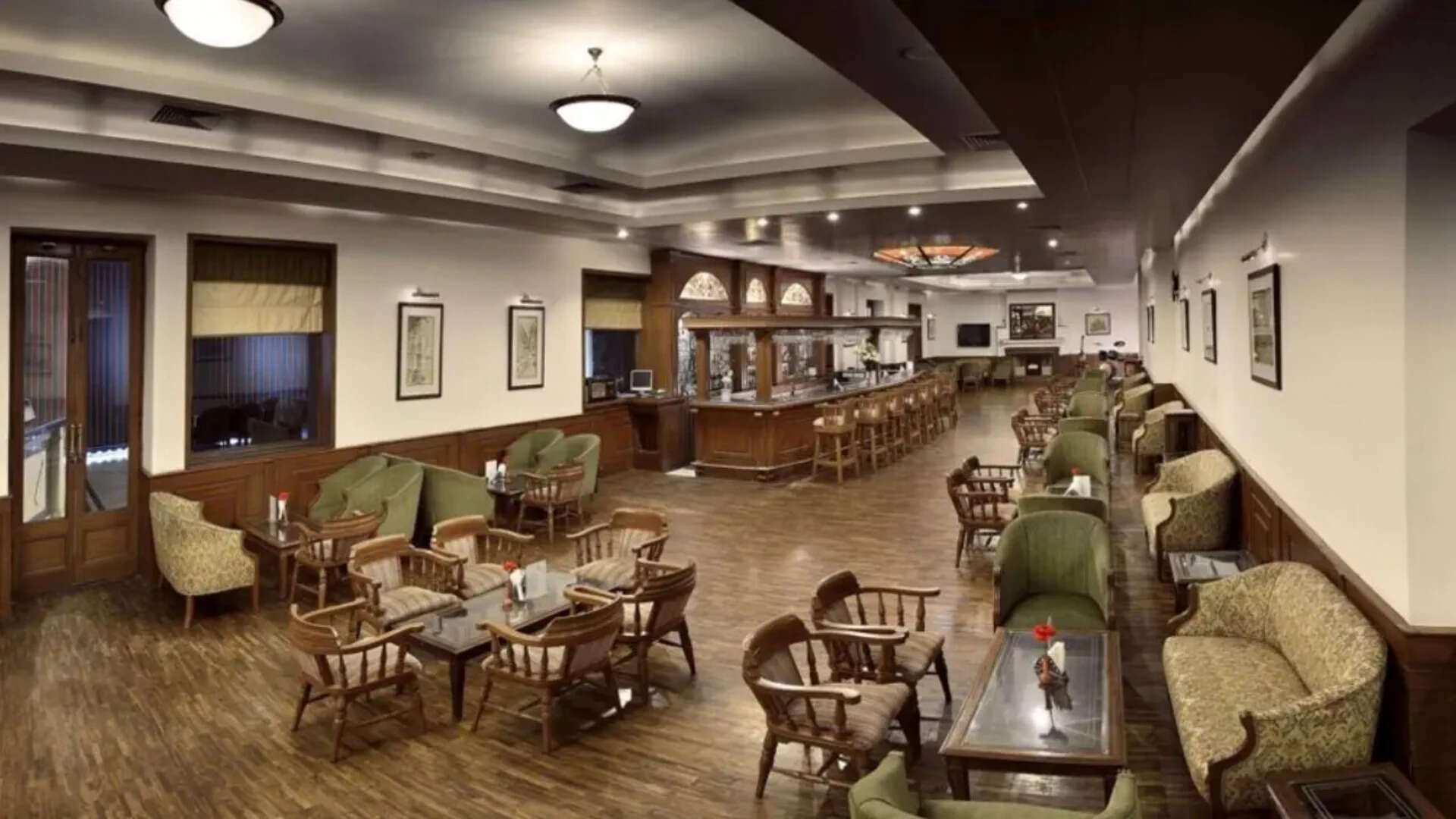
The Delhi Gymkhana Club, perched on a 27.3‑acre stretch of Lutyens’ Delhi, has long been the epitome of colonial-era prestige. Established in the early 20th century, the club’s sprawling lawns, heritage bungalows, and a collection of vintage artifacts have made it a coveted address for India’s political elite, senior bureaucrats, and top‑tier business leaders. Yet, beyond the manicured gardens and polished mahogany bars lies a membership system that has become the subject of intense scrutiny.
A 30‑Year Waiting List
Prospective members do not simply walk through the grand wooden doors. The club maintains a strict quota, and the waiting list currently stretches to a staggering 30 years. Applicants must secure a recommendation from an existing member, often a senior figure within the government or a major corporation, and then endure a rigorous vetting process that includes background checks and an interview with the club’s governing committee.
The ‘Green‑Card’ System: A Secret Shortcut
Amid the labyrinthine application process, a whispered‑about “green‑card” system has emerged. According to insiders, a select few individuals receive a discreet green card that fast‑tracks their admission, bypassing the lengthy queue. These cards are allegedly granted to high‑ranking officials, diplomats, and influential business magnates, creating an aura of privilege that sits at odds with the club’s public image of fairness.
“It’s an unspoken rule – if you have the right connections, the green card appears in your file, and you’re in,” said a former club employee who asked to remain anonymous.
The Government’s Sudden Ultimatum
On 24 May 2026, the Ministry of Defence issued an unprecedented directive ordering the Gymkhana Club to vacate its Lutyens’ premises by 5 June 2026. The official rationale cites an “urgent need for defence infrastructure and public security.” The move has sent shockwaves through the club’s membership, many of whom view the order as a direct challenge to the club’s historical autonomy.
Why Now?
Sources close to the Ministry suggest that the decision is rooted in a broader strategy to repurpose prime government land for strategic purposes, including the construction of a new defence research facility and a public park. However, critics argue that the timing aligns with a series of governance disputes between the club’s management committee and the central government over alleged financial irregularities and non‑compliance with heritage preservation norms.
Member Reactions: Shock, Anger, and Legal Action
Club members have taken to social media, expressing disbelief and frustration. Veteran member Rajiv Malhotra, a former IAS officer, posted, “We have been stewards of this heritage for decades. To be asked to leave in a month feels like a betrayal.” Several members have already filed petitions in the Delhi High Court, seeking a stay on the eviction order and demanding a transparent review of the alleged mismanagement claims.
- Legal Challenge: A group of 12 members, led by senior advocate Meera Joshi, argue that the eviction violates the club’s charter and the terms of the land lease granted by the government in 1952.
- Public Debate: Media outlets and policy think‑tanks are debating the broader implications for heritage clubs occupying public land, questioning whether they should be subject to the same civic duties as other institutions.
- Financial Concerns: The club’s annual budget, which reportedly runs into several crores, may be jeopardised, raising questions about the fate of its employees and ongoing charitable activities.
Historical Context: Colonial Clubs in Modern India
Gymkhana clubs across India were originally founded by the British to serve as exclusive social hubs for colonial officers. Post‑independence, many of these clubs were handed over to Indian elites, retaining their grandeur but often preserving the exclusivity that defined them. In recent years, there has been a growing call for these institutions to open up, both in terms of membership diversity and land use.
Delhi’s Gymkhana Club is perhaps the most emblematic of this tension. While it has modernised its facilities – adding a state‑of‑the‑art gym, a rooftop pool, and an international cuisine restaurant – the core ethos of exclusivity remains intact, reflected in the 30‑year waiting list and the rumored green‑card shortcuts.
What Lies Ahead?
The next few weeks will be crucial. If the court grants a stay, the club may continue operating while negotiations over the future of the land take place. Conversely, a firm eviction could set a precedent for the repurposing of other heritage properties owned by elite clubs.
For now, the members of the Delhi Gymkhana Club watch anxiously as the clock ticks toward the 5 June deadline, aware that the outcome will not only affect their beloved club but also signal how India balances heritage preservation with contemporary security and public‑interest imperatives.
Source Attribution
Original article: Times of India – 30‑year membership wait, ‘green‑card’ system: Inside Delhi’s elite Gymkhana Club
About the Author