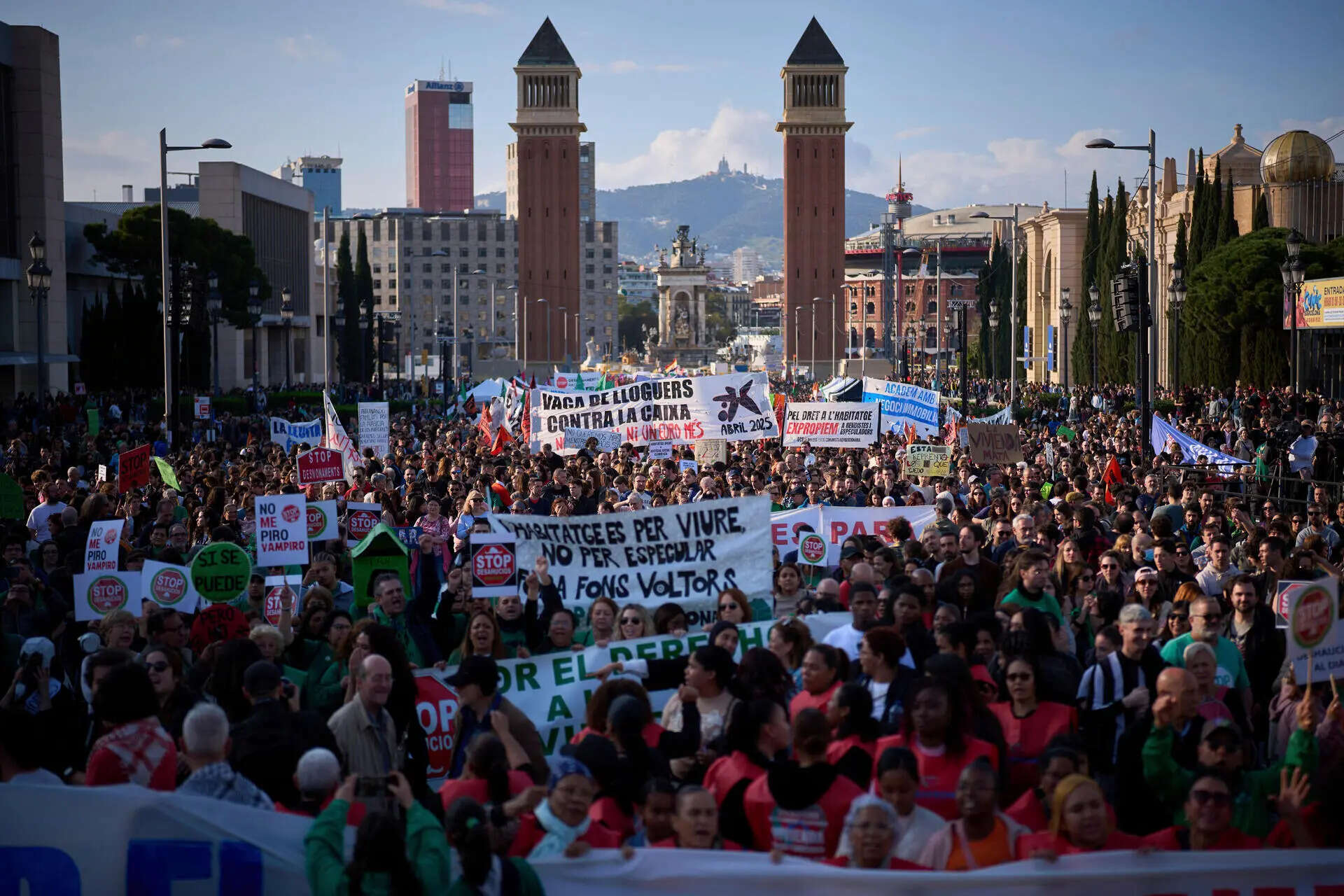
Madrid Streets Flooded with Protestors
On a crisp Saturday afternoon, thousands of Spaniards converged on the streets of Madrid, waving banners and chanting slogans demanding immediate action against the relentless surge in rent and home prices. The demonstration, which stretched from Plaza de España to Gran Vía, marked one of the largest public outcries over housing in recent memory.
Why the Protest Matters for Prime Minister Pedro Sánchez
The timing could not be more critical for Sánchez’s administration. While the government has pledged a €7 billion public‑housing plan, critics argue that the measures are too little, too late. The protest underscores a growing perception that the ruling Socialist Party is out of touch with the everyday struggles of ordinary Spaniards trying to secure a roof over their heads.
Historical Context: Homeownership vs. Rental Shortage
Spain has long cherished a tradition of homeownership, with more than 80 % of households owning their dwelling in the early 2000s. However, the 2008 financial crisis, combined with a stagnant construction sector and soaring tourism demand, has dramatically shifted the market dynamics.
- Limited public rentals: Government‑run apartments account for less than 2 % of the total housing stock.
- Tourism pressure: Short‑term rentals have displaced long‑term tenants in popular urban districts.
- Population growth: Spain’s population has risen by 2.3 % in the last decade, intensifying demand for affordable units.
The Failed Rent‑Freeze Extension
Earlier this year, the Sánchez government attempted to extend a temporary rent‑freeze that had been introduced during the pandemic. The proposal was rejected by the Congress of Deputies, a setback that fueled the anger seen on the streets. Protestors carried placards reading “No more rent hikes!” and “Housing is a right, not a profit.”
“We are forced to choose between paying rent and feeding our families,” said María López, a single mother of two, echoing the sentiment of many attendees.
Economic Implications of the Crisis
Beyond the human toll, the housing crunch threatens Spain’s broader economic recovery. Rising rents erode disposable income, dampen consumer spending, and could deter foreign investment. Analysts warn that if the crisis deepens, Spain may see a slowdown in GDP growth, potentially slipping below the European Union average.
What the Government Has Said
In response to the protest, Prime Minister Sánchez’s spokesperson emphasized the €7 billion public‑housing package, promising the construction of 200,000 new affordable units over the next five years. The plan also includes incentives for private landlords to lower rents in exchange for tax breaks.
Nevertheless, opposition parties accuse the administration of “window‑dressing” and call for a more aggressive rent‑control policy, alongside stricter regulations on short‑term rentals.
Looking Ahead: Possible Solutions
Experts suggest a multi‑pronged approach to tame the crisis:
- Accelerate the delivery of public housing to meet the projected demand.
- Implement a graduated rent‑control mechanism that caps annual increases at a reasonable rate.
- Regulate short‑term rental platforms to protect long‑term housing stock.
- Provide subsidies or vouchers for low‑income households to offset rent costs.
- Encourage cooperative housing models that give residents a stake in property management.
Conclusion
The streets of Madrid have spoken loudly: Spain’s housing crisis is no longer a peripheral issue but a central political battleground. As the Sánchez government grapples with the fallout, the next steps it takes will determine whether the nation can restore affordable housing as a right for its citizens rather than a luxury for the few.
Source: Times of India
About the Author