Introduction
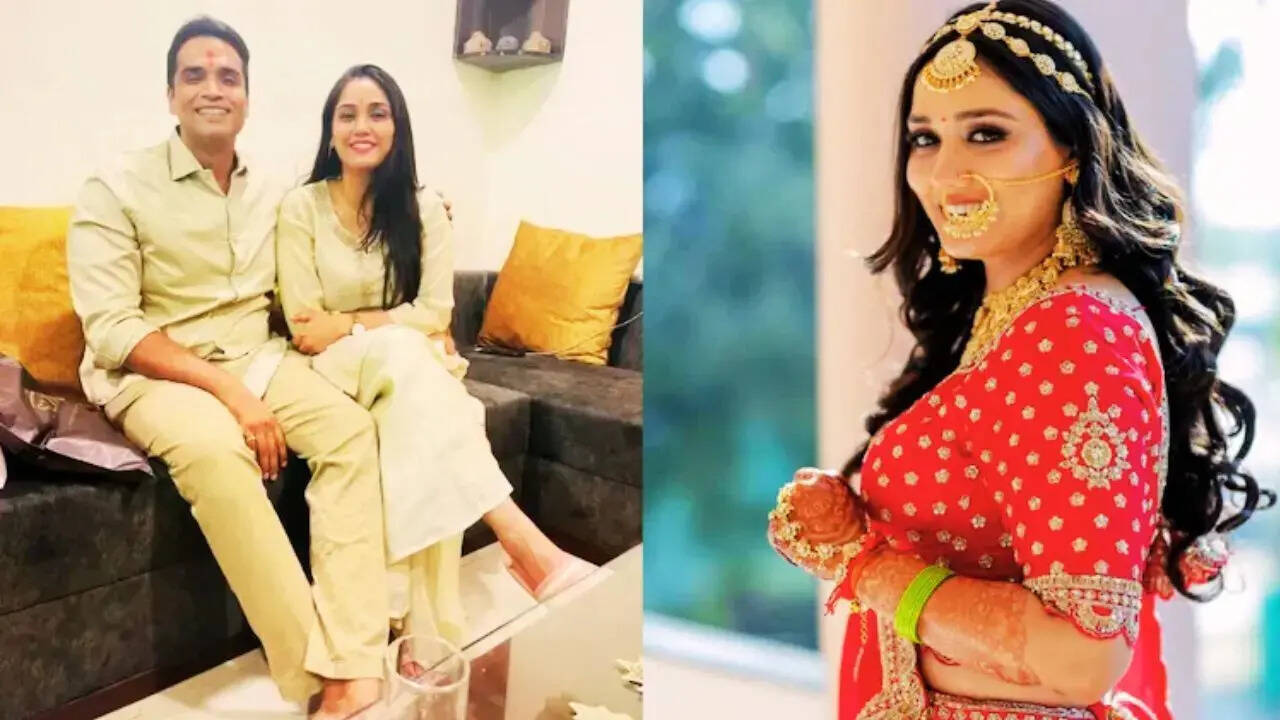
What began as a promising career for model‑turned‑actor Twisha Sharma turned into a grim saga that has captured the attention of the entire nation. Her untimely death in Bhopal on 19 March 2026 set off a chain of legal actions, accusations of dowry harassment, and an intense courtroom drama that now involves a Special Investigation Team (SIT) and the prospect of a Central Bureau of Investigation (CBI) probe.
Chronology of Events
1. The Marriage – A Glimpse of Hope
- 12 February 2025: Twisha Sharma, 27, married Mr. Prashant Singh, a 32‑year‑old businessman, in a small ceremony in Bhopal. The wedding was attended by close family members and a few industry friends.
- Family Background: Twisha hailed from a middle‑class family in Indore, while Prashant’s family included a retired district judge, Justice R. K. Singh, and his elder brother, Advocate Amit Singh.
2. The First Signs of Trouble
- March–April 2025: Twisha’s relatives reported that she began receiving repeated calls from her in‑laws demanding additional dowry items beyond the agreed amount.
- June 2025: A close friend disclosed that Twisha confided feeling “trapped” and feared retaliation if she spoke out.
3. The Mysterious Death – 19 March 2026
Twisha was found dead in the bathtub of her Bhopal residence. The initial post‑mortem report indicated asphyxiation, but the cause of death remained inconclusive, prompting a call for a more thorough investigation.
4. FIR and Immediate Legal Actions
- 22 March 2026: Twisha’s brother, Rajesh Sharma, filed a First Information Report (FIR) under Sections 306 (abetment to suicide), 498A (dowry harassment), and 304B (dowry death) at the Bhopal Police Station.
- Police Response: The FIR named Prashant Singh, his parents, and Justice R. K. Singh as accused.
5. Formation of Special Investigation Team (SIT)
On 5 April 2026, the Madhya Pradesh government constituted an SIT comprising senior officers from the Crime Branch, forensic experts, and a legal adviser. Their mandate: to re‑examine the forensic evidence, trace phone records, and interview witnesses.
6. Bail Battles – A Courtroom Tug‑of‑War
- 12 April 2026: The accused applied for bail. The Bhopal Sessions Court rejected the plea, citing the seriousness of the dowry‑related charges.
- 18 April 2026: A second bail application was dismissed, reinforcing the court’s stance that the investigation was ongoing and the evidence was compelling.
7. Media Scrutiny and Public Outcry
The case quickly became a national talking point, with social media hashtags such as #JusticeForTwisha trending. Women’s rights groups demanded swift action, while legal analysts debated the adequacy of existing dowry laws.
8. Prospects of a CBI Probe
On 28 April 2026, a senior BJP leader in the state raised the issue in the Legislative Assembly, urging the central government to order a CBI investigation. The request was formally forwarded to the Ministry of Home Affairs, and sources suggest a decision could be taken within weeks.
Key Legal Issues at Play
The Twisha Sharma case touches upon several critical legal provisions:
Section 306 of the Indian Penal Code – Abetment of suicide.
Section 498A of the IPC – Dowry harassment.
Section 304B of the IPC – Dowry death.
Each of these sections carries stringent punishments, ranging from seven years to life imprisonment. The involvement of a retired judge as an accused adds a layer of complexity, raising questions about potential influence over investigative processes.
What the Investigation So Far Reveals
The SIT’s preliminary findings, released on 15 May 2026, include:
- Phone records indicating multiple threatening calls from Prashant’s brother on the night of the death.
- Forensic analysis showing traces of a sedative in the bathtub water, contradicting the earlier claim of accidental drowning.
- Witness statements from household staff alleging that Twisha was repeatedly asked to “pay the dowry” in cash and jewellery.
These revelations have intensified calls for a CBI takeover, as the family believes a neutral agency can avoid any possible local interference.
Impact on Society and the Entertainment Industry
Twisha Sharma’s death has reignited debates on the safety of women in the entertainment sector, especially those from modest backgrounds who marry into affluent families. Industry bodies are now urging stricter background checks and support mechanisms for newcomers.
Conclusion – Awaiting Justice
As the SIT continues its probe and the possibility of a CBI investigation looms, the Sharma family remains steadfast in its quest for justice. The courtroom battle is far from over, and the nation watches closely, hoping that the legal system will deliver a verdict that not only brings closure to Twisha’s loved ones but also sends a strong deterrent message against dowry‑related crimes.
Source: Times of India, 23 May 2026
About the Author