Deadly Car Bomb Rips Through Military Train Near Quetta
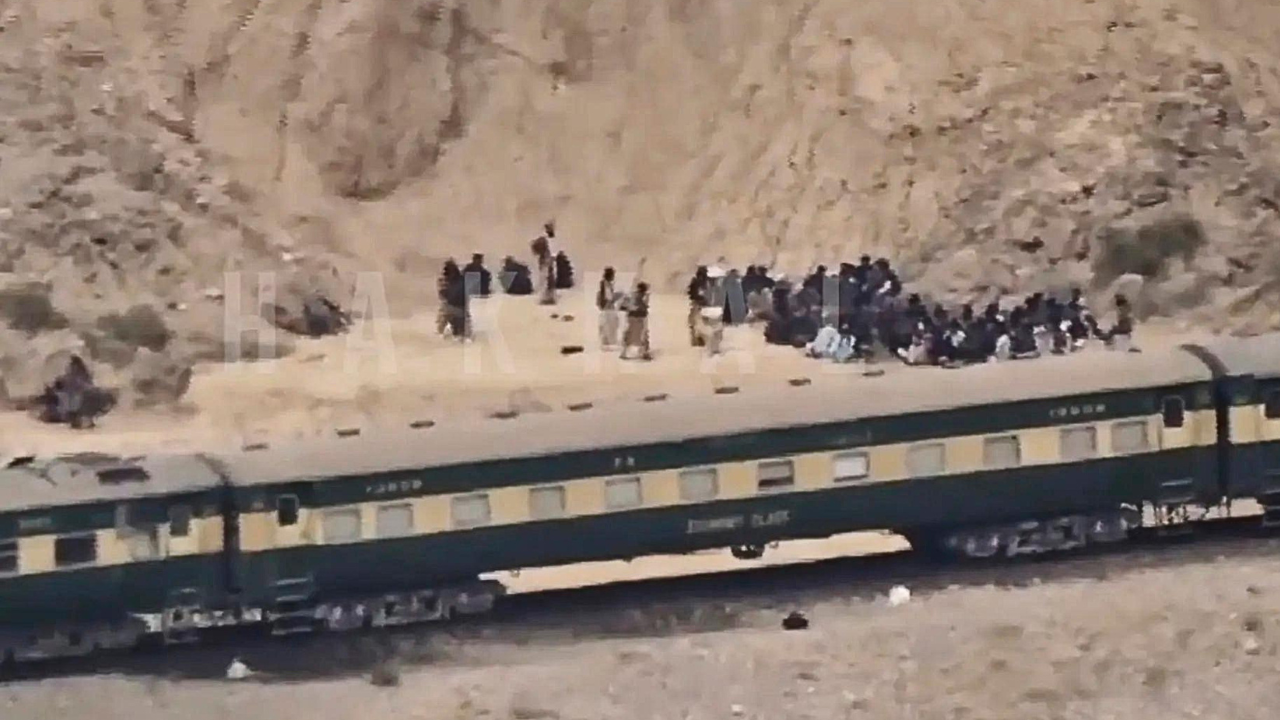
In a shocking act of violence that has rattled the already volatile province of Balochistan, a suicide vehicle‑borne improvised explosive device (VB‑IED) detonated against a shuttle train carrying Pakistani military personnel on the outskirts of Quetta. The blast killed at least 24 soldiers and injured more than 100 others, according to official figures released by the Pakistan Army.
What Happened?
According to eyewitness accounts and statements from the Ministry of Defence, a car packed with high‑explosive material accelerated onto the railway line just moments before a military train was due to pass. The driver, later identified as a suicide bomber, ignited the device as the train entered the blast zone, causing a massive explosion that ripped through one of the train’s bogies.
The impact was so severe that the entire carriage was blown apart, scattering debris across the tracks and igniting a fire that quickly engulfed nearby wagons. Emergency responders rushed to the scene, but the intensity of the blast and the ensuing smoke hampered rescue operations for several critical minutes.
Casualties and Immediate Response
- Deaths: 24 military personnel confirmed dead on the spot.
- Injuries: Over 100 soldiers sustained injuries ranging from minor cuts to severe burns and shrapnel wounds.
- Rescue Efforts: The Pakistan Army’s medical corps, along with local ambulance services, set up triage points at nearby hospitals in Quetta.
- Security Measures: A curfew was imposed in the surrounding districts, and additional checkpoints were deployed along major railway routes.
Who Claimed Responsibility?
The Majeed Brigade, an active faction of the Baloch Liberation Army (BLA), quickly claimed responsibility for the attack. In a short video posted on their encrypted communication channels, a spokesperson declared the operation a “fidayeen strike” aimed at crippling the Pakistani military’s logistical capabilities in the region.
The BLA, a separatist insurgent group that has waged a low‑intensity conflict against the state for decades, has frequently targeted railway infrastructure, security convoys, and oil installations. This attack marks one of the deadliest assaults on a military convoy in recent years.
Political and Strategic Implications
The incident comes at a time when the Pakistani government is attempting to negotiate a fragile ceasefire with various Baloch factions. Analysts suggest that the BLA’s willingness to resort to a high‑profile suicide bombing indicates a hardening of its stance, possibly in response to recent security operations that have seen a rise in arrests of BLA members.
International observers, including the United Nations Office on Drugs and Crime (UNODC), have expressed concern over the escalating violence, warning that such attacks could destabilize the broader region, especially given Balochistan’s strategic importance as a corridor for China‑Pakistan Economic Corridor (CPEC) projects.
“The attack is a stark reminder that Balochistan remains a flashpoint for insurgent activity, and that the safety of military personnel and civilians alike cannot be taken for granted,” said Dr. Ayesha Khan, a security analyst at the Institute of Strategic Studies in Islamabad.
Government Reaction
Prime Minister Shehbaz Sharif condemned the attack in a televised address, describing it as “a heinous act of terror aimed at destabilising the nation’s progress.” He ordered a swift investigative probe, the formation of a special task force to track down the masterminds, and promised additional resources for the families of the fallen soldiers.
The Ministry of Interior announced that a nationwide crackdown on extremist networks would be intensified, with particular focus on the recruitment pipelines feeding the BLA’s suicide bomber squads.
What Lies Ahead?
Security experts warn that the BLA may attempt further high‑impact attacks to demonstrate its operational capability. The Pakistani military is likely to increase patrols along vulnerable railway lines and may consider deploying armored train units to protect critical transport corridors.
Meanwhile, humanitarian agencies are urging the government to ensure that injured civilians, if any, receive prompt medical attention and that displaced families receive adequate support.
Conclusion
The suicide car bomb that ripped through a military train near Quetta has claimed 24 lives and left a deep scar on the collective psyche of Pakistan’s armed forces. As the nation mourns its fallen heroes, the incident underscores the persistent threat posed by insurgent groups in Balochistan and highlights the urgent need for a comprehensive security and political strategy to address the root causes of the conflict.
Source: Times of India, 24 May 2026
About the Author