Overview of the Joint Press Conference
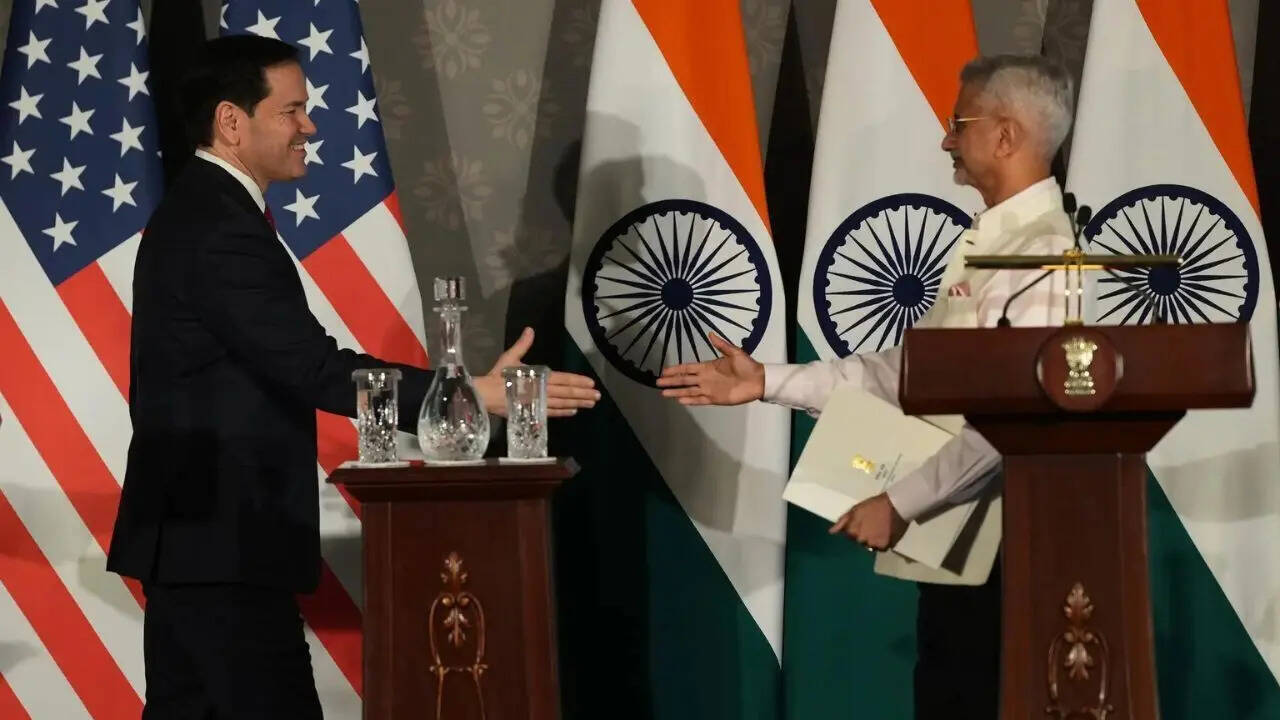
On a sunny afternoon in Washington, D.C., U.S. Senator Marco Rubio and India’s External Affairs Minister Dr. S. Jaishankar convened a joint press conference that quickly turned into a focal point for several pressing issues. While the primary agenda centered on deepening bilateral trade and strategic cooperation, the conversation veered into sensitive territory — ranging from rising anti‑India sentiment in the United States to the growing complexities of visa processing for Indian nationals.
Key Themes That Dominated the Dialogue
- Anti‑India Racism: Both leaders condemned recent incidents of discrimination against Indian students and professionals, urging U.S. institutions to adopt stricter anti‑racism policies.
- Visa Processing Delays: A surge in visa backlogs was highlighted, with a call for expedited pathways for skilled workers, researchers, and students.
- Trade and Investment: Emphasis on the $140 billion trade volume and the need to expand cooperation in clean energy, technology, and defense.
- Strategic Alignment: Discussion of shared concerns over the Indo‑Pacific security architecture and the importance of joint exercises.
- People‑to‑People Ties: Strengthening cultural exchanges, diaspora engagement, and tourism.
Anti‑India Racism: A Growing Concern
Recent reports of harassment against Indian students on U.S. campuses have sparked alarm among Indian officials. Minister Jaishankar stressed that such incidents not only tarnish the image of the United States as a welcoming destination but also jeopardize the long‑standing educational partnership between the two nations.
“Racism has no place in any society, and we must collectively ensure that Indian students and professionals feel safe and respected,” Jaishankar said.
Senator Rubio echoed these sentiments, pledging to work with the State Department and the Department of Education to develop comprehensive anti‑discrimination guidelines. He also highlighted the role of university administrations in swiftly addressing complaints and fostering inclusive campuses.
Visa Issues: The Bottleneck in Bilateral Mobility
Visa delays have become a sore point for Indian entrepreneurs, researchers, and families awaiting reunification. The press conference unveiled that the average processing time for H‑1B and F‑1 visas has risen to 12‑14 weeks, compared with 6‑8 weeks a year ago.
Both leaders outlined a multi‑pronged approach to alleviate the bottleneck:
- Creation of a dedicated “India Desk” within the U.S. Citizenship and Immigration Services (USCIS) to streamline applications.
- Expansion of the premium processing option for high‑skill categories.
- Regular bilateral consultations to monitor visa trends and address emerging challenges.
Rubio assured that the Senate will consider legislation aimed at increasing visa caps for Indian professionals, particularly in the technology and health sectors, where demand remains high.
Trade and Investment: Building on a $140 Billion Partnership
The economic dialogue underscored the robust trade relationship, with U.S. exports to India reaching $55 billion and Indian exports to the U.S. at $85 billion in the last fiscal year. Both sides agreed to pursue new avenues, especially in renewable energy, semiconductor manufacturing, and digital services.
Jaishankar announced a forthcoming “Indo‑U.S. Clean Energy Forum” that will bring together policymakers, private sector leaders, and academia to accelerate joint projects on solar, wind, and hydrogen technologies.
Rubio highlighted the importance of protecting intellectual property rights and simplifying customs procedures to boost bilateral investment flows.
Strategic Cooperation in the Indo‑Pacific
Security considerations featured prominently, with both leaders reaffirming their commitment to a free, open, and inclusive Indo‑Pacific. Ongoing joint naval exercises, intelligence sharing, and coordination on counter‑terrorism were cited as pillars of the strategic partnership.
Rubio praised India’s role in the Quad (U.S., Japan, Australia, India) and emphasized the need for greater interoperability among the forces.
People‑to‑People Ties: The Heartbeat of the Relationship
Beyond politics and economics, the two officials stressed the importance of cultural and educational exchanges. Initiatives discussed included:
- Expanding the “Fulbright‑India” scholarship program to cover more STEM disciplines.
- Launching a joint tourism campaign titled “Discover the Diversity” to attract travelers from both nations.
- Facilitating diaspora engagement through community outreach events across major U.S. cities.
These measures aim to deepen mutual understanding and create a pipeline of future leaders who are comfortable navigating both societies.
Looking Ahead: Concrete Steps and Follow‑Up
To ensure the dialogue translates into action, the press conference concluded with a set of concrete next steps:
- Establishment of a bilateral working group on anti‑racism and visa reforms, meeting quarterly in Washington and New Delhi.
- Signing of a Memorandum of Understanding (MoU) on clean‑energy collaboration within the next 60 days.
- Launch of a joint public‑awareness campaign addressing misconceptions and promoting cultural harmony.
Both leaders expressed optimism that these initiatives will reinforce the resilient partnership that has weathered challenges for decades.
Conclusion
The Rubio‑Jaishankar press conference served as a microcosm of the broader US‑India relationship — a blend of shared aspirations, emerging challenges, and a commitment to resolve differences through dialogue. As anti‑India racism and visa backlogs threaten to strain people‑to‑people ties, the decisive actions promised by both sides signal a willingness to confront these issues head‑on, ensuring that the partnership remains vibrant, inclusive, and mutually beneficial for years to come.
Source: Times of India, 24 May 2026
About the Author