Introduction
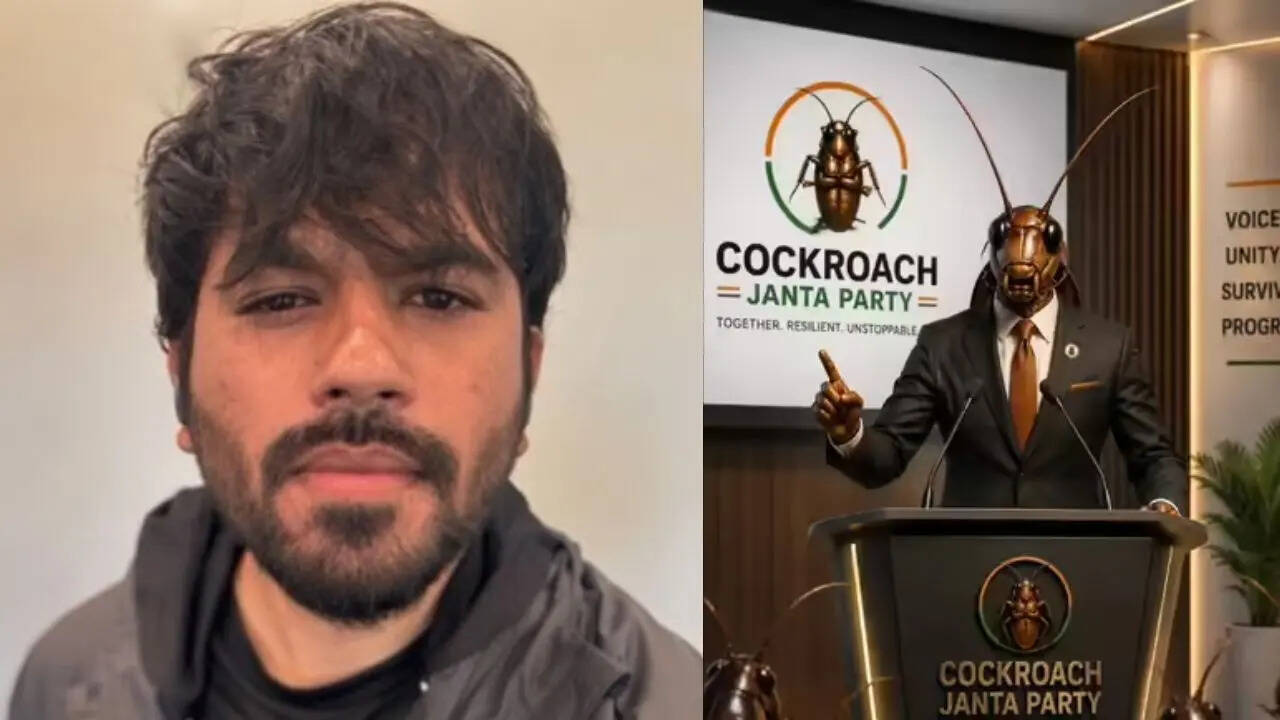
In an unusual turn of events, the Maharashtra police have deployed round‑the‑clock security at the residence of Abhijeet Dipke, the founder of the internet‑born Cockroach Janata Party (CJP). The move, announced on 24 May 2026, comes amid a surge of public interest, online platform bans, and growing concerns about crowd management around the political figure’s home.
Who Is Abhijeet Dipke?
Abhijeet Dipke first rose to prominence in early 2024 when he launched the Cockroach Janata Party as a satirical response to the perceived stagnation in Indian politics. Using humor, memes, and a distinctive cockroach logo, Dipke positioned the party as a voice for the “common man” who feels ignored by mainstream parties. Within months, the CJP amassed a massive following on platforms such as Twitter, Instagram, and YouTube, turning a meme‑driven movement into a genuine political conversation.
Why Police Protection?
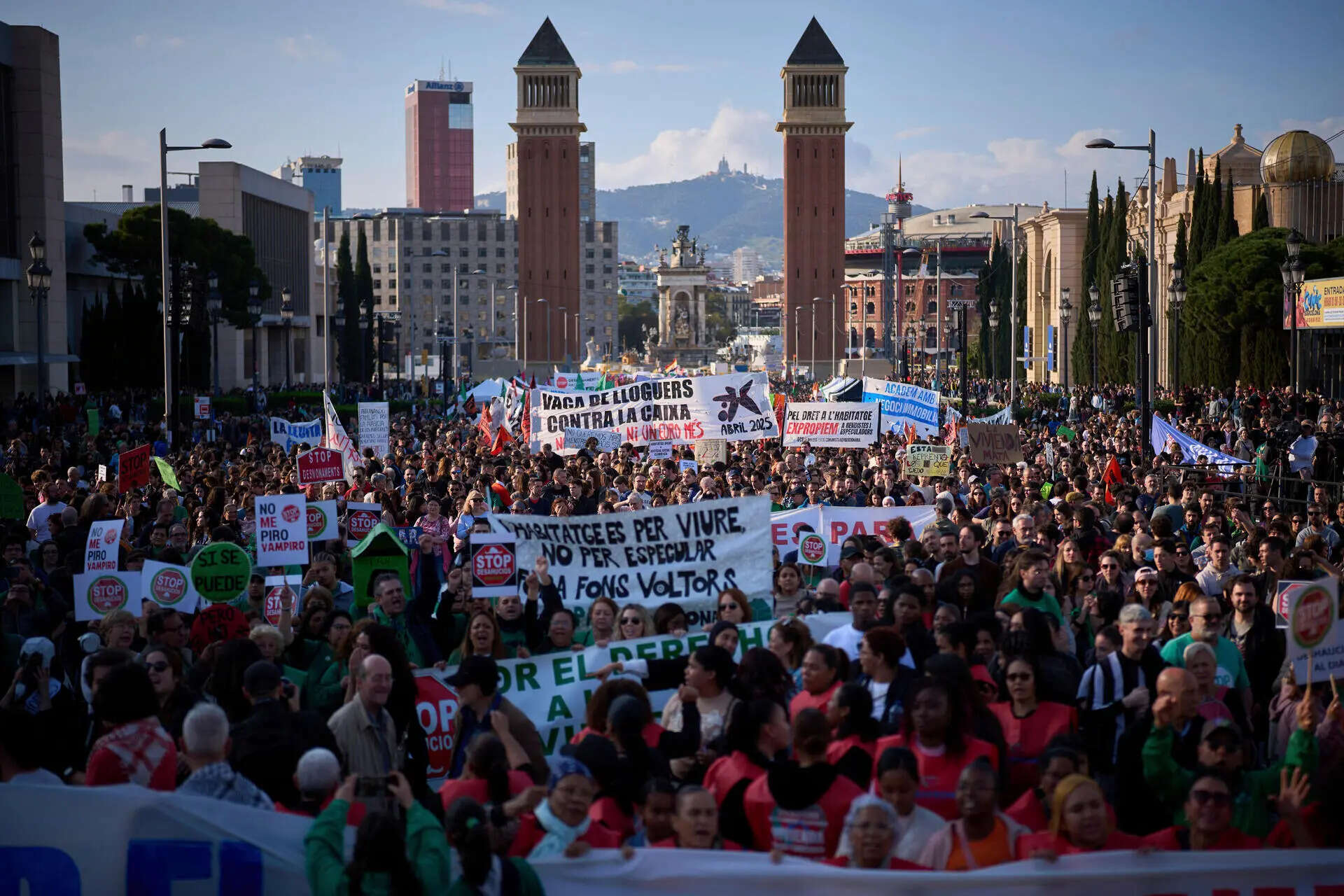
According to a statement from the Aurangabad Police Commissioner, the decision to provide 24‑hour protection was driven by the need to “manage crowds and ensure public safety.” The commissioner highlighted that recent gatherings at Dipke’s house have attracted supporters ranging from curious locals to media crews, often resulting in traffic snarls and occasional skirmishes.
“Our priority is to maintain law and order while respecting the democratic right of citizens to gather peacefully,” the commissioner said.
The Social Media Crackdown
Dipke has claimed that several of the CJP’s online accounts were abruptly taken down in the past fortnight. He alleges that the takedowns were coordinated by “unidentified entities” seeking to silence dissenting voices. While the police have not confirmed any direct link between the platform bans and the security detail, the timing has fueled speculation among supporters that the protection is a pre‑emptive measure against possible unrest.
Public Reaction
- Supporters: Many followers view the police presence as validation of the party’s growing influence and have taken to social media to celebrate the “heroic protection” of their leader.
- Critics: Opponents argue that allocating police resources to a fringe party sets a dangerous precedent and diverts attention from more pressing law‑enforcement duties.
- Legal Experts: Constitutional scholars point out that while the police can provide protection upon request, any perceived bias must be scrutinized to uphold the principle of equality before the law.
What This Means for Indian Politics
The CJP’s meteoric rise underscores a broader shift in Indian political discourse, where digital platforms can catapult unconventional movements into the national spotlight. The police’s involvement may signal a recognition that even meme‑driven parties can generate real‑world consequences that require state attention.
Potential Scenarios
1. Legitimisation: Continued security could lend the CJP an aura of legitimacy, encouraging other fringe groups to adopt similar tactics.
2. Regulatory Backlash: If crowds become unmanageable, authorities might impose stricter regulations on political gatherings, affecting all parties.
3. Judicial Review: Legal challenges may arise questioning whether the police protection was warranted or politically motivated.
Conclusion
As the situation unfolds, the intersection of satire, social media, and law enforcement in Maharashtra offers a fascinating case study of modern democracy in action. Whether the Cockroach Janata Party will translate its online popularity into lasting political power remains to be seen, but for now, Abhijeet Dipke’s house stands as a symbol of a new kind of political engagement—one that demands both digital savvy and real‑world security considerations.
Stay tuned for updates as authorities, legal experts, and the public continue to react to this developing story.
Source: Times of India, 24 May 2026
About the Author