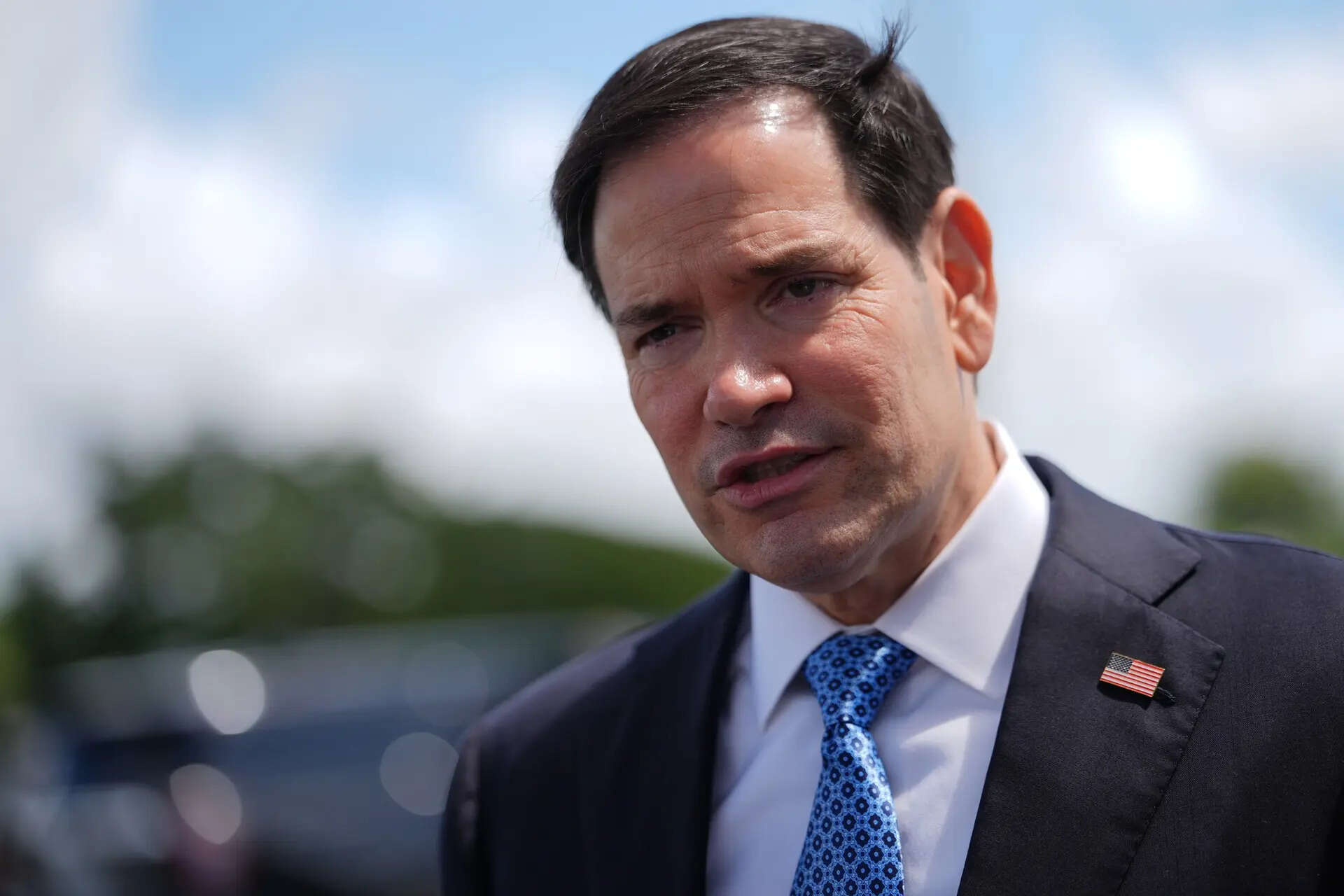
Iran Fires Back at Rubio’s ‘Energy Hostage’ Claim
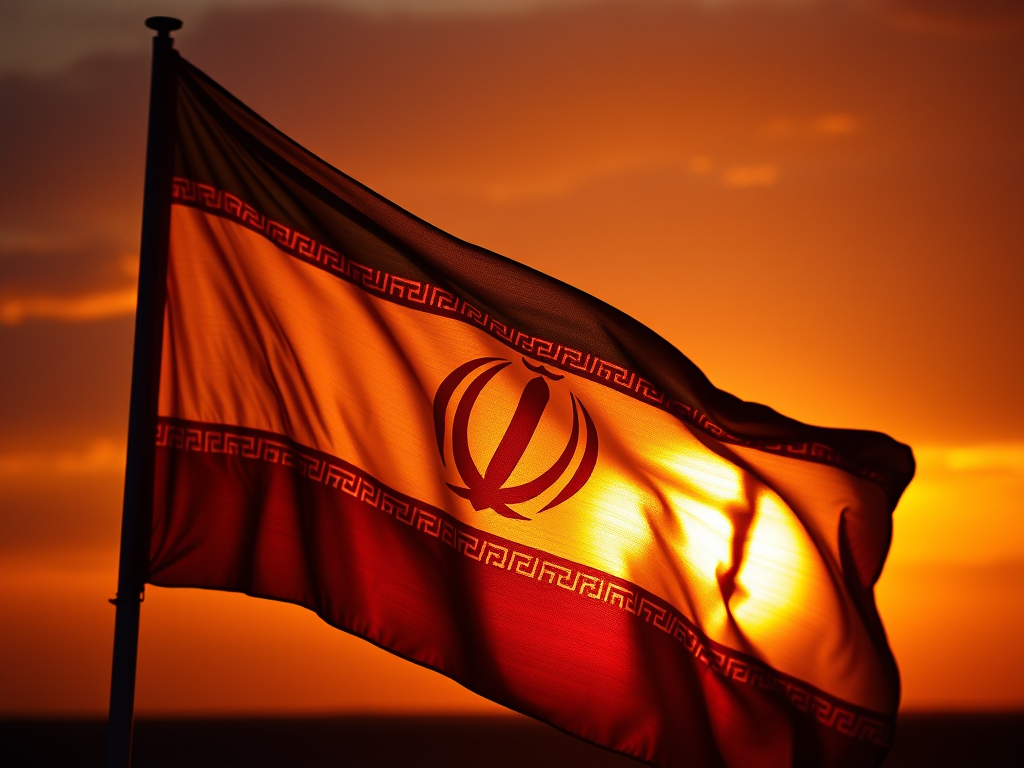
In a sharp rejoinder to U.S. Secretary of State Marco Rubio’s recent remarks, Tehran has accused Washington of distorting regional realities and diverting attention from its own destabilising policies. The Iranian foreign ministry’s statement, issued on Sunday, 24 May 2026, insists that it is U.S. sanctions – not Iran’s actions – that have thrown global energy markets into turmoil.
Rubio’s Accusation During India Visit
During a high‑profile visit to New Delhi earlier this month, Rubio warned that Iran was “holding the global energy market hostage.” The comment was made in the context of a broader discussion on energy security and the rising cost of crude, which has been a sensitive issue for both India and the United States.
Rubio’s remarks quickly made headlines, feeding into a narrative that places Iran at the centre of the world’s energy price spikes. The U.S. official’s statement implied that Tehran’s policies – particularly its alleged support for regional proxies and its nuclear programme – were directly responsible for price volatility.
Iran’s Counter‑Narrative
Iran’s response was swift and unequivocal. A spokesperson for the Ministry of Foreign Affairs said, “The United States continues to weaponise sanctions, thereby creating artificial shortages and price spikes in the global oil market.” The ministry further argued that the sanctions regime, which has been tightened over the past two years, is the primary driver of the current market turbulence.
“Washington’s sanctions, not Tehran’s policies, are holding the world’s energy market hostage,” the statement read.
The Iranian delegation highlighted that the sanctions have not only crippled its own oil exports but have also forced other oil‑producing nations to adjust output, creating a ripple effect that destabilises global supply chains.
Sanctions: A Deep‑Dive into Their Impact
Since the re‑imposition of secondary sanctions in 2024, Iran’s oil exports have fallen by more than 40 %. The sanctions target not only Iranian entities but also foreign firms that attempt to do business with Tehran, effectively cutting the country off from the international financial system.
- Export Decline: Iran’s crude production dropped from 2.5 million barrels per day (bpd) in 2023 to roughly 1.5 million bpd in early 2026.
- Price Volatility: Brent crude prices have swung between $85 and $115 per barrel since the sanctions were tightened, reflecting market anxiety.
- Supply Chain Disruption: Shipping companies and insurers have withdrawn from Iranian routes, increasing freight costs for global traders.
These figures, according to Iranian officials, illustrate how U.S. policy – rather than Iranian conduct – is the catalyst for the current energy market instability.
International Reactions
Other major players have weighed in on the debate. The European Union, while maintaining its own sanctions framework, called for a “balanced approach” that recognises the humanitarian impact on Iranian civilians. Meanwhile, Russia and China, both major oil exporters, have reiterated their support for Iran’s right to export oil without external interference.
In India, the reaction was mixed. While the government appreciated Rubio’s emphasis on energy security, it also expressed concern over the broader geopolitical implications of a sanctions‑driven market.
What This Means for Global Energy Security
The tug‑of‑war between the United States and Iran over sanctions is reshaping the global energy landscape. Analysts suggest that continued pressure could push more countries to seek alternatives to Middle‑Eastern oil, accelerating investments in renewable energy and non‑OPEC supply sources.
However, the immediate reality remains: oil markets are still highly sensitive to geopolitical signals. As long as major powers continue to use sanctions as a foreign‑policy tool, volatility is likely to persist.
Looking Ahead
Both sides appear entrenched. Rubio’s administration is unlikely to soften its stance on Iran’s nuclear ambitions and regional activities, while Tehran will continue to argue that sanctions are an illegal form of economic warfare.
For consumers and businesses worldwide, the key takeaway is vigilance. Market participants should monitor diplomatic developments closely, as each new statement – whether from Washington or Tehran – can have an outsized impact on oil prices and supply chains.
As the debate unfolds, the world watches a classic case of geopolitics meeting economics: a narrative where each side blames the other for the very instability that threatens global prosperity.
Source: Times of India, 24 May 2026
About the Author