Bezos’s Bold Comparison: Amazon vs. NYC Schools
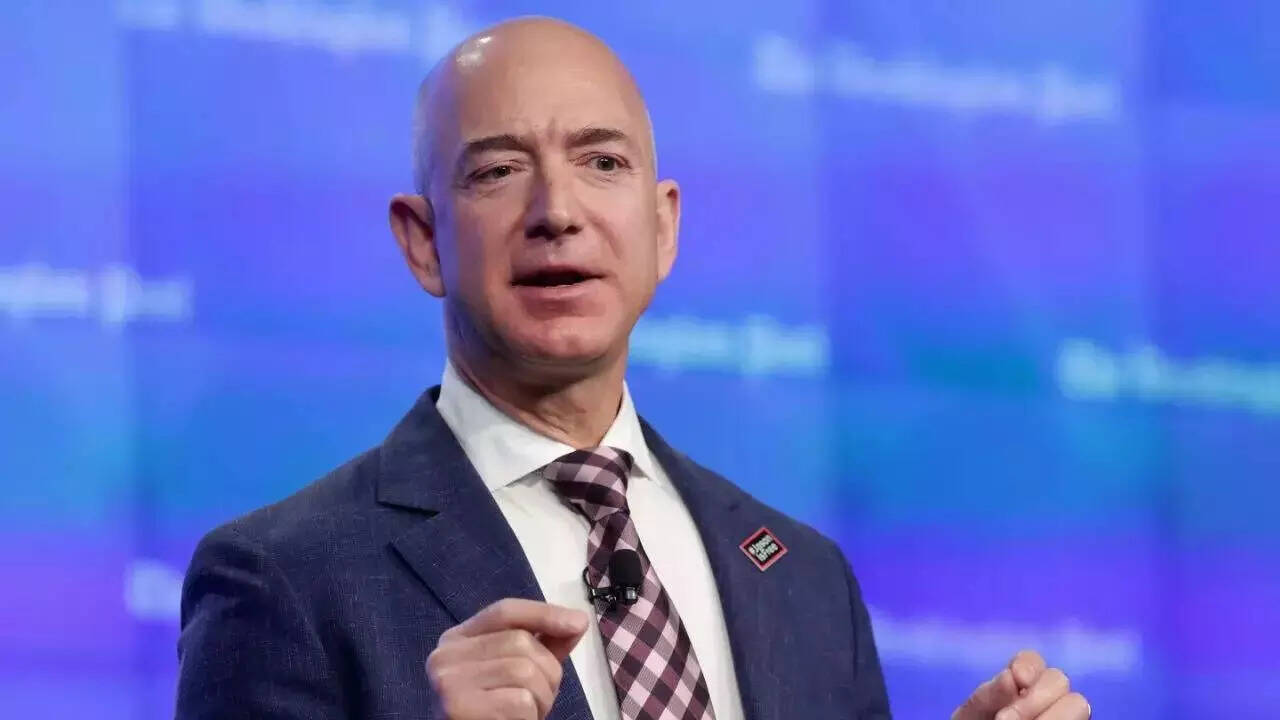
During a recent town‑hall style session with Amazon customers, founder Jeff Bezos took a surprise turn into the world of public education. He argued that if Amazon were run the way New York City runs its public‑school system, the e‑commerce giant would collapse faster than a package left on a rainy doorstep.
The Core of Bezos’s Argument
Bezos highlighted a striking statistic: New York City spends more than $30,000 per student each year, yet the money rarely reaches the classroom. “You can spend a lot of money and still not get the product,” he said, drawing a direct parallel to a business that pours cash into marketing, logistics, and headquarters while neglecting the frontline workers who actually create value.
“If we ran Amazon the way NYC runs its school system, your packages would never arrive on time, and you’d be paying for a service you never see,” Bezos told the audience.
He continued, pointing out that the bulk of the budget goes toward administrative overhead, facilities, and bureaucratic layers, rather than teachers’ salaries, classroom supplies, or student‑centered programs.
Where Does the Money Go?
- Administrative Costs: A significant chunk of the budget is allocated to district offices, senior leadership, and compliance reporting.
- Facilities Management: Maintaining over 1,800 school buildings across the five boroughs consumes billions annually.
- Special Programs: While well‑intentioned, many initiatives are fragmented and lack measurable outcomes.
Bezos argued that this structure mirrors a corporation that invests heavily in headquarters expansion while neglecting front‑line staff, leading to inefficiencies, missed deadlines, and dissatisfied customers.
Bezos’s Prescription: Identify Root Causes
Rather than advocating for blanket tax hikes aimed at “tax‑the‑rich” policies, Bezos urged policymakers to focus on the underlying causes of economic hardship. He suggested a data‑driven approach—identifying the specific bottlenecks that prevent funds from reaching teachers and students, then applying targeted solutions.
“You can’t solve a problem by throwing more money at it if the system that delivers that money is broken,” he said. “First, you have to understand why the money isn’t getting to the people who need it.”
Implications for Business Leaders and Educators
The remarks have sparked a broader conversation about how private‑sector efficiency principles can inform public‑sector reform. While critics caution against oversimplifying education as a purely logistical challenge, many agree that transparency, accountability, and performance metrics are essential.
Bezos’s comparison also raises questions about the scalability of solutions. Can a tech‑driven model, with its emphasis on data analytics and rapid iteration, be adapted to a sprawling, diverse system like NYC’s public schools? Or does the unique mission of public education demand a fundamentally different approach?
Potential Paths Forward
- Data Transparency: Publish detailed spending reports at the school‑level to allow parents and taxpayers to see where every dollar goes.
- Performance Incentives: Tie a portion of funding to measurable outcomes such as graduation rates, literacy improvements, and teacher retention.
- Streamlined Administration: Consolidate redundant district offices and reduce layers of management.
- Teacher Empowerment: Direct a larger share of the budget to classroom resources and professional development.
- Community Partnerships: Leverage private‑sector expertise in logistics, technology, and supply‑chain management to improve school operations.
These steps echo Bezos’s broader philosophy: eliminate waste, focus on the customer—here, the student—and continuously iterate based on feedback.
Conclusion: A Call for Pragmatic Reform
Jeff Bezos’s critique may have been unexpected, but it underscores a growing demand for efficiency and accountability in public education. Whether policymakers will adopt a Silicon Valley mindset or continue with traditional approaches remains to be seen. What is clear, however, is that the conversation about how to get more value out of every taxpayer dollar is now louder than ever.
As the debate unfolds, the ultimate test will be whether students in New York City see tangible improvements in classroom resources, teacher support, and learning outcomes—much like a satisfied Amazon customer receiving a package right on time.
About the Author