Introduction
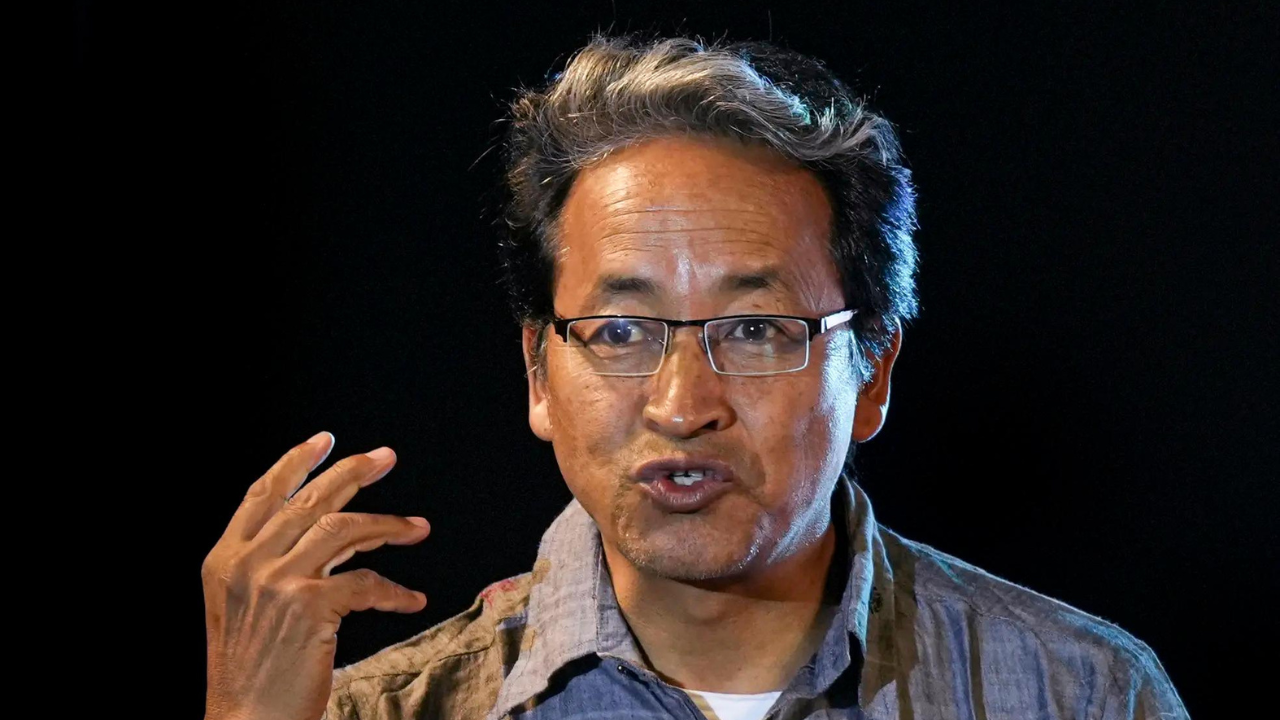
In a candid interview, renowned Ladakhi activist Sonam Wangchuk acknowledged a glimmer of hope after recent talks between Ladakh representatives and the Ministry of Home Affairs (MHA). While he described the discussions as a “positive step,” the activist warned that the underlying trust deficit between the Union government and Ladakh’s populace remains a critical challenge. Wangchuk’s stark warning – that Ladakh could become “another Manipur” – underscores the urgency of addressing lingering protest cases and institutional grievances.
Background: A History of Unrest
Ladakh has been simmering with discontent since the reorganisation of Jammu & Kashmir in 2019, which carved the Union Territory out of the erstwhile state. The decision sparked protests over perceived erosion of local autonomy, land rights, and cultural identity. Over the past few years, dozens of protest cases have been lodged in courts, and several senior officials have been accused of heavy‑handedness, further widening the gap between the people and the centre.
Why the Manipur Comparison?
Manipur, a northeastern state, has been in the national headlines for prolonged insurgency, ethnic clashes, and a deteriorating relationship with the central government. By invoking Manipur, Wangchuk is drawing a parallel to a scenario where unchecked grievances could spiral into sustained violence, economic stagnation, and a loss of confidence in democratic institutions.
The Recent MHA‑Ladakh Talks
The Ministry of Home Affairs convened a series of meetings with Ladakh’s local leaders in early May 2026. According to insiders, the agenda covered:
- Review of pending protest cases and their legal status.
- Discussion on the implementation of the Ladakh Autonomous Hill Development Council (LAHDC) recommendations.
- Assessment of infrastructure projects and their impact on local livelihoods.
- Mechanisms for improved communication between Union officials and Ladakhi civil society.
Wangchuk praised the willingness of some officials to listen, describing it as “a step in the right direction.” However, he cautioned that words must translate into tangible actions.
Key Takeaways from Wangchuk’s Statements
“The talks show a shift, but the trust deficit is still huge. If the government’s intent is genuine, it will be reflected in how quickly and fairly the pending cases are resolved and how institutional reforms are implemented.” – Sonam Wangchuk
Unresolved Issues That Keep the Trust Gap Wide
Wangchuk highlighted three core concerns that, if left unaddressed, could push Ladakh towards a Manipur‑like trajectory:
- Pending Protest Cases: More than 30 protest petitions remain under judicial consideration. Many families have been waiting for compensation, rehabilitation, or official apologies for years.
- Institutional Weaknesses: The LAHDC, though empowered on paper, often finds its decisions overridden by central authorities, leading to a perception of tokenism.
- Economic Marginalisation: Tourism, a lifeline for Ladakh’s economy, has been hampered by restrictive policies and inadequate infrastructure investment.
What Needs to Happen Next?
According to Wangchuk, the government’s commitment will be judged on three measurable actions:
- Fast‑track Resolution: Establish a dedicated task force to close pending protest cases within six months, with transparent reporting.
- Strengthen Local Governance: Grant the LAHDC real decision‑making authority on land use, cultural preservation, and local development projects.
- Economic Incentives: Launch a Ladakh‑specific stimulus package that prioritises sustainable tourism, renewable energy, and skill development for youth.
Wangchuk emphasized that these steps must be taken in consultation with grassroots organisations, ensuring that the voices of remote villages are not drowned out by bureaucratic noise.
Conclusion: A Pivotal Moment for Ladakh
The recent MHA talks have opened a narrow window of opportunity. Whether Ladakh can avoid the fate of becoming “another Manipur” hinges on the speed and sincerity with which the central government addresses the highlighted grievances. As Sonam Wangchuk aptly put it, “Intent is measured by action.” The coming months will test that maxim, and the nation will be watching closely.
Source: Times of India
About the Author