Introduction
The tragic death of Twisha Sharma, a young model‑turned‑actor from Bhopal, has become one of the most closely watched criminal cases in India this year. What began as a seemingly ordinary marriage quickly spiraled into a complex legal saga involving allegations of dowry harassment, abetment to suicide, and accusations against a retired judge. This blog post reconstructs the timeline of events, highlights key legal milestones, and examines the broader implications of the case.
Marriage and Early Days (2022‑2023)
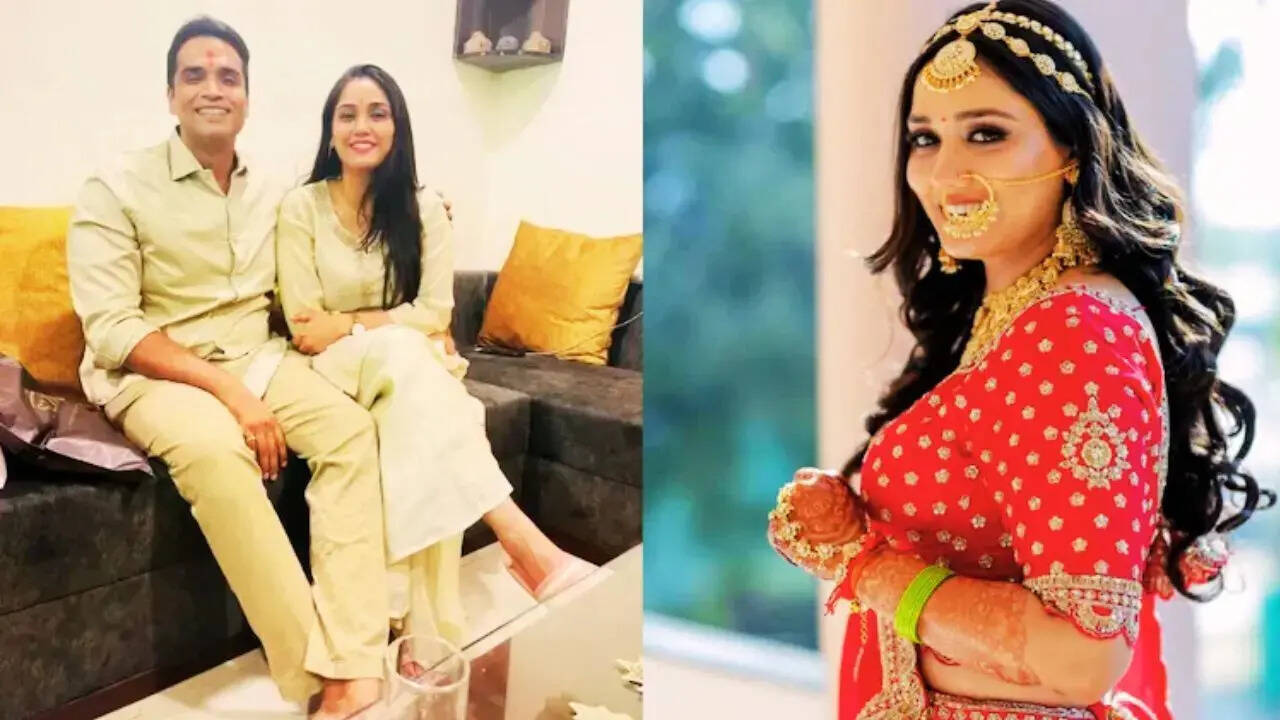
Twisha Sharma married Rohit Singh in December 2022. The wedding was a modest ceremony attended by family and close friends. According to relatives, Twisha’s family had raised concerns about Rohit’s financial stability, but the couple proceeded with the union after assurances from the groom’s side.
- December 2022 – Twisha and Rohit’s wedding in Bhopal.
- Early 2023 – Twisha begins modeling assignments while Rohit works as a senior accountant.
- Mid‑2023 – Family members report increasing tension over alleged dowry demands.
The Mysterious Death (April 2024)
On 14 April 2024, Twisha was found dead in the bathroom of her residence in Bhopal. Initial reports suggested a sudden cardiac arrest, but the post‑mortem revealed multiple bruises and signs of asphyxiation, prompting the police to register a case of “unnatural death.”
“The circumstances surrounding her death were suspicious from the very beginning, and we could not rule out foul play,” said the investigating officer, Sub‑Inspector Anil Kumar.
The family immediately alleged that Twisha had been a victim of continuous dowry harassment and mental torture, leading to her death.
FIR and First Legal Actions (May 2024)
Twisha’s parents filed a First Information Report (FIR) on 20 May 2024, charging Rohit Singh, his parents, and a retired judge—who had allegedly intervened in family matters—with dowry harassment and abetment to suicide under Sections 306 and 498A of the Indian Penal Code.
The FIR named the following accused:
- Rohit Singh (husband)
- Mr. and Mrs. Singh (parents-in‑law)
- Justice (Retd.) Arvind Mehta – a family friend and former judge
Police also seized mobile phones, WhatsApp chats, and financial records that allegedly showed repeated demands for cash and jewellery.
Formation of Special Investigation Team (SIT) – August 2024
Given the high‑profile nature of the case and public pressure, the Madhya Pradesh government set up a Special Investigation Team (SIT) in August 2024. The SIT, headed by senior IPS officer Vikram Singh Rathore, was tasked with reviewing the evidence, re‑examining the crime scene, and ensuring an unbiased probe.
The SIT’s interim report, submitted in December 2024, concluded that there were “prima facie indications of foul play” and recommended that the accused be kept in judicial custody.
Bail Applications and Court Proceedings (2025)
Throughout 2025, the accused filed multiple bail applications. The Bhopal Sessions Court rejected Rohit Singh’s bail twice—first in March and again in July—citing the gravity of the charges and the risk of tampering with evidence.
In September 2025, the court ordered the production of a forensic psychologist’s report, which indicated that Twisha suffered from severe anxiety and depression, likely exacerbated by continuous harassment.
Media Spotlight and Public Outcry
The case attracted nationwide media attention, sparking debates on dowry practices, women’s safety, and the role of influential individuals in obstructing justice. Social media campaigns under the hashtags #JusticeForTwisha and #EndDowryViolence trended for weeks, pressuring authorities to act swiftly.
Potential CBI Probe – Early 2026
In February 2026, after a petition filed by Twisha’s elder sister, the Supreme Court directed the Central Bureau of Investigation (CBI) to take over the probe, citing concerns over impartiality and the involvement of a retired judge.
The CBI’s preliminary notice, issued on 5 March 2026, indicated that it would re‑examine the digital evidence, interview key witnesses, and verify the authenticity of the financial transactions alleged in the FIR.
Current Status (May 2026)
As of May 2026, the case remains in the investigative phase. The SIT’s findings have been submitted to the court, while the CBI is expected to file its charge sheet by August 2026. The accused continue to remain in custody, and the family has vowed to pursue every legal avenue until justice is served.
Key Takeaways
- Twisha Sharma’s death has highlighted persistent dowry‑related violence in India.
- The involvement of a retired judge adds a layer of complexity and raises questions about influence over law enforcement.
- Multiple investigative bodies—local police, SIT, and now CBI—reflect the case’s high stakes and public scrutiny.
- Legal proceedings have been marked by repeated bail rejections, indicating the judiciary’s seriousness.
Conclusion
The Twisha Sharma case is a stark reminder that behind every headline lies a family’s grief and a societal issue that demands attention. As the legal battle unfolds, it serves as a litmus test for India’s commitment to combating dowry harassment and ensuring that justice is blind to status and connections.
Source: Times of India, 23 May 2026
About the Author