Background of a Tragic Case
On 12 May 2026, the city of Bhopal was shaken by the sudden death of 28‑year‑old Twisha Sharma, a software engineer known for her vibrant personality and promising career. The circumstances surrounding her demise quickly escalated into a high‑profile legal battle, with her family alleging a dowry‑related murder. The case has since become a flashpoint for discussions on gender‑based violence, institutional bias, and the effectiveness of India’s criminal justice system.
Last Rites Conducted After Twelve Days
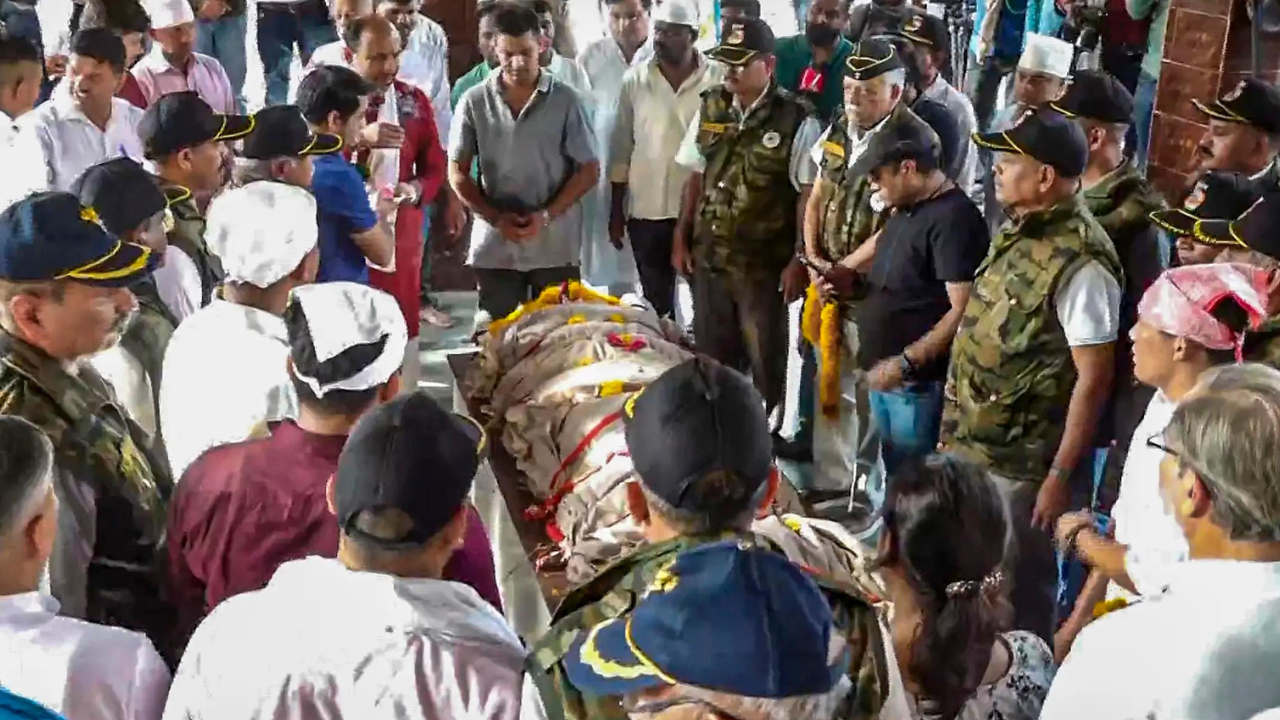
On Sunday, 24 May 2026, Twisha’s family gathered at the Bhopal crematorium to perform her final rites, twelve days after her death. The ceremony was marked by profound grief and a palpable resolve to seek accountability. Relatives, close friends, and supporters from across the country attended, offering prayers and chanting slogans demanding swift justice.
“We are here not only to bid farewell but also to remind the nation that her death cannot be erased without a thorough investigation,” said her elder brother, Rahul Sharma, during a brief speech that moved many in attendance.
Supreme Court Takes Suo Motu Cognisance
In a landmark development, the Supreme Court of India has taken suo motu cognisance of Twisha Sharma’s case. The apex court, expressing concern over alleged institutional bias, directed a fast‑track inquiry and ordered that a second post‑mortem be conducted by an independent panel of forensic experts.
The court’s intervention underscores the seriousness with which it views allegations of dowry‑related homicide, especially when there are claims that lower courts may have been influenced by external pressures. Justice Anupama Kumar, who authored the order, emphasized, “When a young woman’s life is taken under suspicious circumstances, the judiciary must act decisively to ensure that justice is neither delayed nor denied.”
Current Investigative Status
- Second Post‑Mortem: The second autopsy, scheduled for 27 May, will be performed at a government‑run forensic laboratory in Bhopal. It aims to verify the findings of the first post‑mortem, which indicated signs of asphyxiation and internal injuries consistent with a violent assault.
- Arrest of the Prime Accused: Twisha’s husband, Rajesh Sharma, has been arrested and remanded to police custody. He is the primary suspect in the alleged dowry demand and subsequent murder.
- Police Custody Extension: The investigating officer has requested a 30‑day extension of Rajesh Sharma’s custody to complete forensic examinations, interrogation of witnesses, and recovery of digital evidence.
- Family’s Legal Team: Led by senior advocate Meera Joshi, the family’s counsel has filed multiple petitions seeking a fast‑track trial, protection for witnesses, and compensation for the bereaved family.
Public Reaction and Social Media Outcry
Social media platforms erupted with the hashtag #JusticeForTwisha, trending across India within hours of the funeral. Activists, celebrities, and ordinary citizens shared personal stories of dowry harassment, amplifying calls for stricter enforcement of the Dowry Prohibition Act.
“Twisha’s death is not an isolated incident; it reflects a systemic failure to protect women,” tweeted noted human‑rights activist Aruna Kapoor. The post garnered over 150,000 retweets and sparked discussions in parliamentary committees about revisiting existing dowry legislation.
What Lies Ahead
With the Supreme Court’s active involvement, the case is poised for a swift judicial review. However, experts caution that the road to a definitive verdict may still be fraught with challenges, including potential delays in forensic reporting and the need for witness protection.
Legal analyst Raghav Menon notes, “The Supreme Court’s intervention is a positive sign, but the real test will be how the lower courts execute the directives without succumbing to external influences.”
Conclusion: A Call for Systemic Change
Twisha Sharma’s funeral was not just a farewell to a beloved daughter and sister; it became a rallying point for a nation grappling with the scourge of dowry‑related violence. As the family continues to demand accountability, the case serves as a stark reminder of the urgent need for legal reforms, societal awareness, and institutional integrity.
“When a woman’s life is taken, the entire nation mourns. Justice must be swift, transparent, and uncompromising.” – Rahul Sharma
The eyes of the nation remain fixed on Bhopal, awaiting the outcomes of the second post‑mortem and the forthcoming judicial proceedings. In the meantime, the memory of Twisha Sharma lives on through the countless voices demanding change.
Source: Times of India
About the Author