What Happened?
On the early afternoon of May 24, 2026, a passenger train traveling between Lahore and Rawalpindi derailed and exploded near the town of Jhelum. According to local authorities, a faulty axle caused the first carriage to leave the tracks, igniting a fuel leak that led to a massive fireball. The blast ripped through three coaches, killing at least 24 people and injuring dozens more.
First‑hand Footage Shows the Chaos
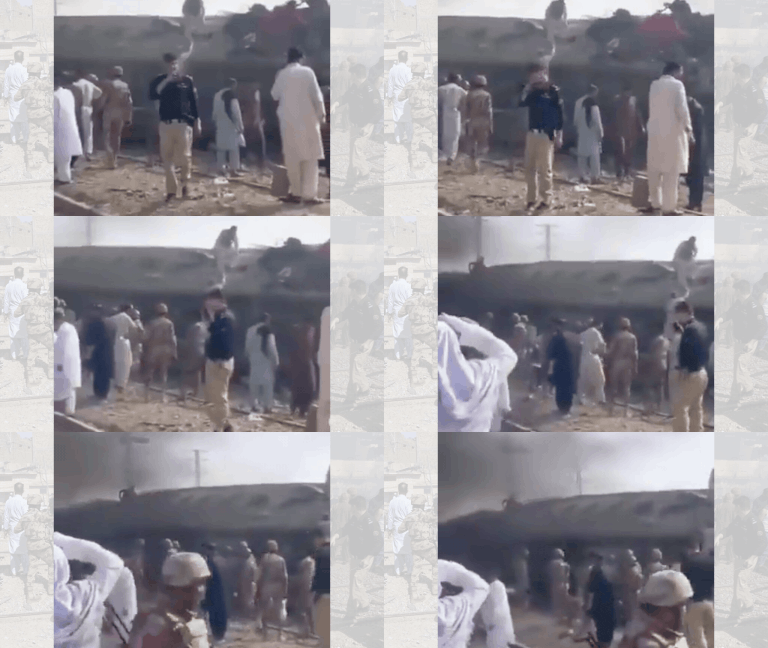
Within minutes of the incident, social‑media platforms were flooded with dramatic videos captured by by‑standers. The clips, now widely shared on Twitter, TikTok and Facebook, depict blaring sirens, thick black smoke billowing into the sky, and panicked crowds scrambling for safety.
- Sirens and Shouts: The unmistakable wail of emergency vehicles can be heard as they race toward the wreckage.
- Smoke Columns: Thick, toxic smoke rises from the mangled carriages, obscuring visibility and forcing rescue teams to wear protective masks.
- Panic on the Ground: Passengers and locals are seen fleeing the scene, some clutching injured relatives, others trying to douse flames with sand and water.
Official Response and Rescue Operations
The Pakistan Railways immediately dispatched a rescue squad, while the National Disaster Management Authority (NDMA) sent emergency medical teams, fire‑fighting units, and a helicopter for aerial assessment. By nightfall, the following actions had been taken:
“Our top priority is to locate any survivors trapped under the wreckage and provide urgent medical care. We have set up a temporary field hospital near the site and are coordinating with local hospitals to handle the influx of patients,” said NDMA Director General Adil Khan in a press briefing.
Rescue crews worked through the night, using hydraulic cutters to free victims from twisted metal. Over 40 people were taken to nearby hospitals, with several in critical condition.
Why Did This Tragedy Occur?
Preliminary investigations point to a combination of factors:
- Mechanical Failure: A cracked axle on the locomotive is believed to have caused the derailment.
- Overloaded Cargo: Reports suggest the train was carrying more fuel than permitted, increasing the risk of fire.
- Infrastructure Gaps: Aging tracks in the region have long been flagged for upgrades, but funding delays have left many sections vulnerable.
Railway officials have promised a thorough inquiry and have pledged to suspend similar services until safety checks are completed.
Impact on the Community
The explosion has left a deep scar on the small town of Jhelum. Families have gathered at local mosques to pray for the deceased, while volunteers distribute blankets, food, and bottled water to those displaced.
Local business owner Fatima Ali shared her experience:
“We heard the blast like a thunderclap. The smoke was everywhere, and people were screaming. We opened our shop as a shelter, but the fear was overwhelming. We hope the authorities will improve safety so this never happens again.”
What Comes Next?
Authorities have announced a three‑day period of mourning across the province, and the national government will allocate emergency funds for relief. In addition, the following steps are expected:
- Formation of an independent accident investigation board.
- Immediate audit of all passenger trains for mechanical integrity.
- Public hearings to address community concerns and compensation for victims’ families.
Meanwhile, the dramatic videos continue to circulate, serving as a stark reminder of the human cost of infrastructural neglect.
How You Can Help
If you wish to support the victims, consider donating to reputable charities working on the ground, such as the Pakistani Red Crescent Society or local NGOs offering medical aid.
Stay tuned for updates as the investigation unfolds and more details emerge about this tragic event.
Source: Times of India
About the Author